New Energy-Saving Solutions for Commercial Cooling Towers
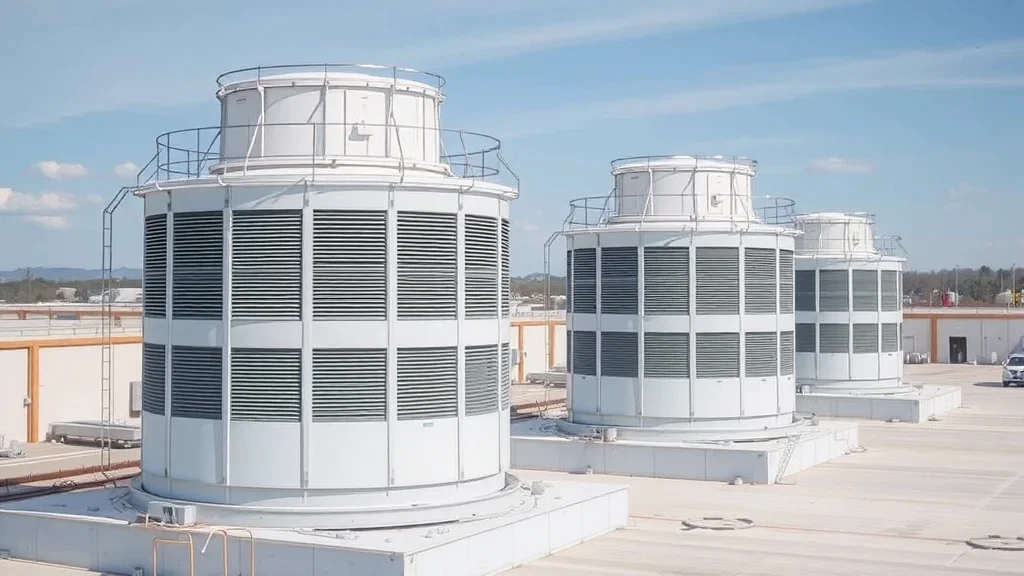
As businesses aim to reduce operational costs and enhance energy efficiency, new energy-saving solutions for commercial cooling towers have swiftly emerged. These innovative technologies not only aim to lower energy consumption but also focus on improving overall performance and sustainability. If your business is involved in the use of cooling towers, understanding these solutions can help you make informed decisions about your energy management strategies.
One of the most significant advancements involves the integration of advanced control systems. These systems utilize real-time data to optimize the operation of cooling towers. By continuously assessing environmental conditions, such as temperature and humidity, the systems can adjust the cooling output accordingly. This leads to substantial energy savings and reduced wear on physical components, ultimately extending the lifespan of your equipment.
In addition to advanced controls, variable speed drives (VSDs) represent another effective energy-saving solution. VSDs regulate the speed of the cooling tower fans based on the specific cooling needs at any given time. By adjusting fan speeds, these drives can significantly cut down on energy use, particularly during periods of low demand. This technology can lead to energy savings of up to 50% compared to conventional systems.
Furthermore, new materials and technologies are being used to improve the thermal efficiency of cooling towers. For example, high-efficiency fill media is designed to increase the surface area for heat exchange. By optimizing heat transfer, these materials enhance cooling effectiveness while using less energy. Other solutions include coatings that resist scale buildup and corrosion, which can maintain high efficiency levels and reduce maintenance costs over time.
Another promising solution is the implementation of hybrid cooling systems. Combining both evaporative and mechanical cooling methods, hybrid systems can significantly improve energy efficiency. They take advantage of favorable environmental conditions to maximize cooling while using mechanical systems only when necessary. This flexibility ensures that energy consumption is minimized without compromising on cooling performance.
In line with eco-friendly practices, some businesses are investing in renewable energy sources to power their cooling towers. Solar panels and wind turbines can provide supplementary energy, reducing reliance on traditional electricity sources. This method not only lowers operational costs but also supports sustainability goals.
To explore specific energy-saving technologies tailored for your needs, consider the following solutions:
- Real-time monitoring and analytics systems
- Biocooling technologies using water to enhance heat exchange
- Automated maintenance notifications for proactive upkeep
- Decentralized cooling solutions for localized energy management
Many of these technologies can be installed during routine refurbishments, allowing businesses to enhance energy efficiency without major overhauls. Regular inspections and maintenance are vital to ensure that these systems are functioning optimally and provide continuous benefits.
| Technology | Benefits | Potential Savings |
|---|---|---|
| Advanced Control Systems | Real-time optimization | Up to 30% |
| Variable Speed Drives | Reduced fan energy consumption | Up to 50% |
| High-Efficiency Fill Media | Improved thermal performance | Varies based on installation |
| Hybrid Cooling Systems | Flexible cooling options | Varies based on environmental conditions |
Implementing these energy-saving solutions can dramatically impact energy expenses and operational efficiency for commercial cooling towers. As energy prices continue to rise, businesses that adopt these innovations can not only save money but also improve their environmental footprint. For further insights and updates about energy efficiency in commercial cooling solutions, visit Cooling Tower Consultants and Energy & Sustainability Magazine, which provide a wealth of resources for professionals looking to enhance their systems.
Embracing new energy-saving technologies and practices for commercial cooling towers can lead to substantial savings, enhanced performance, and a positive environmental impact. By staying informed about these advancements, businesses can take proactive steps toward a more sustainable future while keeping operational costs in check.
The Importance of Energy Efficiency in Industrial Settings
In today’s industrial landscape, energy efficiency stands as a crucial pillar for sustainability and profitability. With rising energy costs and a growing emphasis on environmental stewardship, businesses need to prioritize energy-saving strategies within their operations.
A focus on energy efficiency can lead to several noteworthy benefits, including reduced operational costs, improved performance, and compliance with regulatory standards. Here, we explore why energy efficiency is vital and how it can transform industrial settings.
Cost Savings
One of the most immediate benefits of implementing energy-efficient practices is the significant cost savings businesses can achieve. By optimizing energy use, companies can:
- Lower utility bills, freeing up budget for other essential operations.
- Reduce maintenance costs, as energy-efficient equipment often requires less servicing.
- Increase asset lifespan, leading to lower replacement expenses.
Enhanced Operational Productivity
Improving energy efficiency can boost operational productivity. Here’s how:
- Efficiency upgrades often improve system reliability, minimizing downtime caused by equipment failure.
- Employees tend to work better in optimized environments with stable temperatures and reduced noise from machinery.
- Streamlining processes can lead to faster production times and better output quality.
Environmental Responsibility
In an era where environmental impact matters more than ever, energy efficiency aligns industrial practices with sustainability goals. By consuming less energy, industries can:
- Reduce greenhouse gas emissions, playing a crucial role in combating climate change.
- Enhance corporate image and brand reputation as businesses dedicate themselves to eco-friendly practices.
- Meet regulatory requirements and possibly benefit from tax incentives for reducing energy consumption.
Government Incentives and Rebates
Many governments offer incentives for businesses to invest in energy-efficient technologies. Programs may include:
- Tax credits for energy-efficient upgrades, such as new HVAC systems or energy-efficient lighting.
- Grants for implementing renewable energy solutions, like solar panels or wind turbines.
- Rebates for energy-efficient equipment that helps industries reduce their energy usage.
To explore available incentives in your area, consider checking resources like the Energy Star website which provides valuable information.
Benchmarking Energy Performance
Regularly assessing energy performance is paramount for identifying opportunities for improvement. Companies can utilize energy management systems to track energy consumption and efficiency metrics. Establishing benchmarks can help:
- Identify inefficiencies in operations.
- Set achievable energy-saving goals by comparing against industry standards.
- Foster a culture of continuous improvement among staff.
Industries like manufacturing, warehousing, and food processing can significantly benefit from such assessments by maximizing their energy usage, ultimately leading to increased profits.
Implementing Energy-Saving Technologies
The infusion of energy-saving technologies can elevate energy efficiency. Some effective technologies include:
- Smart meters that provide real-time data on energy use.
- LED lighting solutions that consume less electricity and have longer lifespans.
- High-efficiency heating and cooling systems designed to reduce energy waste.
Collaboration and Training
To fully leverage energy efficiency, training employees about energy conservation practices is vital. Investing in employee education can foster a sense of responsibility, leading to:
- Increased employee engagement in energy-saving initiatives.
- Spreading awareness on daily practices that reduce energy consumption.
- Shared responsibility in maintaining energy-efficient standards at all levels of operations.
As industries navigate their paths toward energy efficiency, the focus on integrated strategies becomes increasingly important. Utilizing resources from organizations such as the Small Business Administration can enhance your understanding of energy-saving solutions.
Energy efficiency is not just a trend; it’s a fundamental shift in how industries approach their operations. By prioritizing energy efficiency, businesses can enhance their bottom line while contributing positively to the environment. Making educated choices today prepares industries for a sustainable and profitable tomorrow.
Innovations in Cooling Technology: What to Expect
In today’s world, efficient cooling technology is more crucial than ever, particularly for commercial spaces that rely heavily on cooling systems. Innovations in cooling technologies are rapidly transforming how businesses optimize energy usage. These advancements not only support sustainability efforts but also significantly reduce electricity costs.
Emergence of Smart Cooling Systems
One of the most exciting developments in cooling technology is the rise of smart cooling systems. These systems leverage advanced sensors and IoT connectivity to monitor and manage energy consumption. By analyzing data in real-time, they can adjust cooling outputs based on building occupancy or external weather conditions.
- Automatic adjustments: Smart systems dynamically change cooling levels to match current needs.
- Remote monitoring: Managers can oversee system performance from their smartphones.
- Data analytics: Long-term insights help improve maintenance and reduce operational costs.
Hybrid Cooling Solutions
Hybrid cooling systems combine traditional methods with innovative technologies, maximizing efficiency. These systems often utilize both water and air-based cooling to enhance performance. For example, adopting evaporative cooling alongside conventional air conditioning allows businesses to decrease energy usage while maintaining comfort.
Benefits of Hybrid Systems
| Benefit | Description |
|---|---|
| Energy Efficiency | Hybrid systems can reduce energy consumption by up to 30% compared to traditional cooling methods. |
| Lower Costs | Reduced energy usage translates to lower utility bills and maintenance costs. |
| Environmental Impact | Hybrid systems contribute to reduced greenhouse gas emissions, supporting sustainability goals. |
Advanced Heat Exchangers
Heat exchangers are vital components in cooling systems, helping transfer heat from one fluid to another. Recent advancements include designs that increase surface area for heat transfer, resulting in more effective cooling. Enhanced heat exchangers can operate efficiently even under low energy conditions, making them perfect for eco-friendly initiatives.
Key Features
- Enhanced Thermal Performance: New materials allow for better heat transfer rates.
- Compact Design: Smaller units accommodate space constraints while maximizing efficiency.
- Self-Cleaning Technology: Reduces downtime and maintenance needs, adding longevity.
Refrigerant Innovations
As environmental regulations become stricter, innovations in refrigerants are also emerging. Companies are developing low-GWP (Global Warming Potential) refrigerants that have minimal impact on the environment. These alternatives ensure cooling systems remain effective while mitigating climate change effects.
Examples of newer refrigerants include:
- HFOs (Hydrofluoroolefins): These are long-lasting and have minimal environmental impact.
- CO2: Carbon dioxide is being used as a refrigerant in commercial applications due to its low GWP.
- Ammonia: Particularly for industrial applications, ammonia is known for its efficiency and low environmental hazard.
The future of cooling technology is bright, with innovations continuing to push the boundaries of efficiency and sustainability. From smart systems to hybrid solutions and refrigerant innovations, businesses can expect to see more energy-saving solutions that not only enhance performance but also contribute to environmental goals. These advancements are not just changing how cooling systems operate; they are paving the way for a more sustainable future.
For more information on cooling innovations and energy-saving solutions, explore resources from ASHRAE and DOE’s Energy Efficiency Program.
How Cooling Towers Impact Overall Energy Consumption
Cooling towers play a vital role in various commercial settings, particularly in large buildings, factories, and power plants. They are crucial for regulating temperature and ensuring efficient performance of HVAC systems. However, they can also significantly impact energy consumption. Understanding how cooling towers function and their influence on energy usage can help businesses optimize performance and reduce costs.
The Function of Cooling Towers
Cooling towers dissipate heat absorbed from water used in air conditioning and industrial processes. The process involves several key steps:
- Heat exchange: Warm water enters the cooling tower and passes over fill material, allowing heat to transfer to the air.
- Water evaporation: A small amount of water evaporates, which cools the remaining water.
- Recirculation: The cooled water is collected at the bottom and sent back to the system.
Through this process, cooling towers help maintain optimal temperatures, but their operation leads to substantial energy use. Here are some factors contributing to their energy consumption:
Energy Factors Contributing to Cooling Towers
- Pump efficiency: The energy consumed by the pump affects operational costs. If pumps are not sized correctly, or if they run under unsuitable conditions, energy efficiency decreases.
- Fan operation: Fans are critical for drawing air through the cooling tower. The energy use can fluctuate based on fan design and speed.
- Water temperature: The temperature of water entering the cooling tower directly impacts how efficiently it can cool. Higher temperatures require more energy for cooling.
- Usage patterns: Cooling demand varies throughout the day and season, influencing energy requirements. Unexpected spikes in cooling can lead to energy inefficiencies.
Ways to Optimize Cooling Tower Energy Consumption
To mitigate excessive energy use, businesses can adopt various strategies:
- Regular Maintenance: Keeping cooling towers clean and in good working order ensures that they run efficiently. This includes checking the condition of the fill material and ensuring proper water levels.
- Variable Speed Drives (VSDs): Installing VSDs on pumps and fans can help adjust energy use based on demand, thereby improving efficiency.
- Conduct Regular Energy Audits: Conducting energy audits can highlight areas of improvement and energy-saving opportunities.
- Utilize Advanced Controls: Invest in smart controls that automatically adjust system parameters based on real-time conditions.
The Broader Impact of Cooling Towers on Energy Consumption
Not only do cooling towers influence immediate energy bills, but they also contribute to overall energy consumption in a facility, affecting operational costs and environmental impact. By enhancing the efficiency of cooling towers, businesses can:
- Reduce greenhouse gas emissions associated with power generation.
- Lower cooling costs significantly, freeing up resources for other operations.
- Enhance the reliability of HVAC systems, leading to better performance and comfort.
Understanding Energy Performance Metrics
To measure the efficiency of a cooling tower, key performance indicators must be utilized. Here’s a simple table outlining some important metrics:
| Metric | Description |
|---|---|
| Cooling Efficiency Ratio (CER) | Indicates the thermal performance of the cooling tower. |
| Power Usage Effectiveness (PUE) | Measures how much energy is used by a cooling system compared to the total energy consumption. |
To explore more resources and insights into commercial cooling tower efficiency and energy savings, visit Clean Air Engineering and U.S. Department of Energy.
Understanding the impact of cooling towers on energy consumption can empower businesses to make informed decisions. By optimizing cooling processes and regularly maintaining equipment, companies can achieve both energy savings and a reduced environmental footprint.
Benefits of Upgrading to Energy-Efficient Cooling Systems
Upgrading to energy-efficient cooling systems is becoming an increasingly important consideration for businesses looking to reduce operational costs and minimize their environmental impact. Implementing a new cooling system can lead to significant benefits that extend beyond just savings on energy bills.
Cost Savings
One of the most immediate advantages of switching to energy-efficient cooling systems is the reduction in energy costs. These systems are designed to operate at a much lower energy consumption rate compared to traditional models. Over time, the savings on utility bills can be substantial. Many businesses report a decrease in energy costs by 20% to 50%. This provides an excellent return on investment.
Environmental Impact
Energy-efficient cooling systems typically use less energy, which translates to a smaller carbon footprint. Companies that prioritize sustainability not only contribute to environmental preservation but also improve their public image. Customers often prefer businesses with green practices, leading to increased customer loyalty and brand reputation.
Enhanced Comfort and Productivity
In commercial settings, maintaining a comfortable environment for employees is essential. Energy-efficient cooling systems provide more consistent temperatures and improved air quality. This can lead to higher productivity as employees are less likely to be distracted by uncomfortable heat or humidity. An ideal office environment can enhance employee satisfaction and overall work output.
Advanced Technology
Many new cooling systems incorporate advanced technology, such as smart thermostats and IoT connectivity, allowing for better control and monitoring. These innovations enable businesses to adjust cooling settings remotely, ensuring systems operate at optimal levels. Features like predictive maintenance help identify issues before they escalate, reducing downtime and maintenance costs.
Incentives and Rebates
Several government and utility programs offer incentives and rebates for businesses that upgrade their cooling systems to more energy-efficient models. These financial incentives can offset the initial purchase costs, making the transition even more appealing. It’s advisable to research local programs and financial opportunities that could benefit your business.
Longevity and Reliability
Energy-efficient cooling systems are often built with more durable components and higher-quality materials, leading to a longer lifespan. This reduces the need for frequent replacements and repairs. Investing in a reliable system minimizes the likelihood of unexpected interruptions to your business operations, allowing you to focus on your core activities.
Environmental Compliance
As regulations on emissions and energy efficiency continue to tighten, upgrading to energy-efficient cooling systems can be a proactive measure to ensure compliance. Staying updated with the latest standards can help avoid fines and penalties that are associated with outdated systems.
Financial Overview of Efficiency Gains
| Benefit | Details |
|---|---|
| Energy Cost Reduction | 20-50% savings on energy bills over traditional systems. |
| Reduced Environmental Impact | Lower carbon footprint due to reduced energy usage. |
| Improved Employee Comfort | Better temperature control leading to enhanced productivity. |
| Advanced Features | Smart technology for better control and maintenance. |
| Incentives | Government and utility rebates for energy-efficient upgrades. |
| Longer Equipment Lifespan | More reliable systems translating to fewer replacements. |
| Regulatory Compliance | Avoidance of fines and staying compliant with regulations. |
Businesses looking to enhance their operational efficiency should not overlook upgrading to energy-efficient cooling systems. The benefits are clear; from saving costs and reducing carbon footprint to ensuring employee comfort and compliance with regulations. Initiating this upgrade reflects a commitment to sustainability and operational excellence.
For more detailed information about energy-efficient cooling systems, visit Natural Resources Canada. Additionally, explore Energy.gov for insights on improving energy efficiency and saving money.
Strategies for Reducing Operational Costs in Commercial Facilities
Reducing operational costs in commercial facilities is crucial for maintaining competitiveness and enhancing profitability. Even small adjustments can lead to significant savings. Below are effective strategies that can help facility managers lower operational expenses while ensuring smooth functioning.
Energy Efficiency Upgrades
Implementing energy-efficient solutions is one of the first steps towards reducing operational costs. Upgrading to energy-efficient appliances, lighting, and HVAC systems can dramatically reduce utility expenses. Consider performing an energy audit to identify areas of improvement. Energy audits help in pinpointing inefficiencies that can be fixed, leading to cost savings.
- Switch to LED lighting
- Install programmable thermostats
- Regularly maintain HVAC systems
Water Conservation Techniques
Water costs can add up, especially in commercial buildings with extensive landscaping or operational needs. Implementing water-saving fixtures and practices not only cuts costs but also promotes sustainability.
- Install low-flow faucets and toilets
- Use drought-resistant plants for landscaping
- Collect rainwater for irrigation
Smart Building Technology
Embracing smart technology can lead to better management of resources. Installing smart meters and using Building Management Systems (BMS) allows you to monitor energy usage in real-time, making it easier to adjust energy consumption patterns.
| Technology | Benefit |
|---|---|
| Smart Meters | Real-time energy monitoring |
| Building Management Systems | Automates and optimizes energy usage |
Streamlined Maintenance Practices
Regular maintenance and repairs can save you from costly equipment failures. Creating a routine maintenance schedule can prolong the life of your systems, ensuring they run efficiently and reducing the need for emergency repairs.
- Schedule regular check-ups for essential systems
- Train staff on basic maintenance practices
- Create a maintenance log to track issues and costs
Employee Training and Engagement
All employees should be trained in energy-saving practices. Engaging your staff in sustainability initiatives can create a culture of energy conservation within the facility. Simple actions like turning off lights when not in use can accumulate significant savings over time.
Consider establishing an energy champion among employees who will lead sustainability efforts and encourage others to follow suit. This collaborative approach can yield long-term benefits.
Competitive Pricing with Vendors
Regularly evaluating vendor contracts and seeking quotes from multiple suppliers can result in better pricing on essential services and products. Whether it’s a utility company or service provider, taking the time to negotiate terms can lead to substantial savings.
- Review current contracts annually
- Explore group purchasing agreements
- Negotiate better rates based on updated market conditions
Utilizing Renewable Energy Sources
Integrating renewable energy solutions, such as solar panels or wind turbines, can significantly reduce reliance on traditional energy sources. Although the initial investment may be higher, the long-term cost savings and potential tax incentives make it a sophisticated strategy for lowering operational costs.
For more detailed insights into renewable energy options, you might want to visit energy.gov (opens in new window).
Regular Financial Reviews
Conducting quarterly financial reviews allows for a thorough examination of operational costs and budgets. This practice helps identify patterns or unexpected expenses that could be trimmed. Adjust your budget accordingly, focusing on areas where efficiency and savings can be improved.
While every commercial facility has its unique challenges and opportunities, consistently applying these strategies can pave the way towards significantly reduced operational costs. Your operational efficiency can lead to not only substantial savings but also an improved bottom line.
For more resources on improving operational efficiency, check out facilitiesnet.com (opens in new window), a site dedicated to facility management solutions.
The Future of Commercial Refrigeration and Cooling Systems
Refrigeration and cooling systems are vital components of various commercial operations, ranging from restaurants to large warehouses. As technology advances, the future of these systems points toward enhanced efficiency, sustainability, and smarter applications. Understanding these shifts is essential for businesses aiming to stay competitive.
Current Trends in Commercial Refrigeration
Today’s commercial refrigeration units are evolving rapidly. Here are some key trends shaping the industry:
- Energy Efficiency: New regulations push businesses to invest in energy-efficient models that reduce electricity consumption and operational costs.
- Green Refrigerants: The phase-out of harmful refrigerants has led to the adoption of environmentally friendly options, improving safety and reducing greenhouse gas emissions.
- Smart Technology: IoT-enabled cooling systems allow for real-time monitoring and predictive maintenance, minimizing downtime and maximizing productivity.
Emerging Technologies
The integration of advanced technologies into cooling systems promises to make them more reliable and user-friendly. Some noteworthy advancements include:
- Remote Monitoring: Managers can now monitor refrigeration units via mobile apps or web portals, making it easy to keep track of temperature and efficiency.
- Machine Learning: Systems equipped with machine learning algorithms can optimize cooling functions based on usage patterns, further enhancing energy savings.
- Solar Energy Integration: Some new cooling systems are designed to use solar energy, reducing dependence on conventional power sources.
Benefits of Energy-Efficient Cooling Systems
Switching to an energy-efficient cooling system brings numerous benefits:
- Cost Savings: Lower energy consumption translates into significant monthly savings, which can be redirected into other business areas.
- Improved Performance: These systems often operate more effectively, providing better temperature stability and reducing spoilage.
- Regulatory Compliance: Staying ahead of regulations regarding energy consumption and refrigerants can prevent future expenses related to fines and retrofitting.
The Role of Sustainability
Sustainability is a top priority for many businesses today. Here is how refrigeration and cooling systems can align with sustainable practices:
- Reduced Carbon Footprint: By using eco-friendly refrigerants and energy-efficient units, companies can significantly lower their environmental impact.
- Waste Heat Recovery: Advanced systems now capture waste heat and repurpose it for other heating requirements within facilities.
- Collaboration with Renewable Energy: Integrating renewable energy sources, like wind or solar, aids in further reducing carbon outputs.
Investment Considerations
Businesses planning to upgrade their cooling systems should consider several factors:
| Factor | Importance | Consideration |
|---|---|---|
| Initial Cost | High | Evaluate budget against long-term savings |
| System Longevity | Medium | Research expected lifespan and warranties |
| Maintenance Needs | Medium | Ensure accessible parts and service options |
| Energy Ratings | High | Opt for models with high energy efficiency ratings |
The Future Outlook
The future of commercial refrigeration and cooling systems is poised for significant transformation. Businesses will prioritize not only cost-efficiency but also sustainability. As technology progresses, the systems will become more user-friendly and efficient. You can explore more insights on future innovations and energy-saving techniques through resources like U.S. Department of Energy and Air-Conditioning, Heating, and Refrigeration Institute (AHRI).
Investing in modern refrigeration solutions not only protects the environment but also ensures your business remains ahead in a competitive market. Make informed choices regarding updates and maintenance to enhance longevity and maintain efficiencies.
Key Takeaway:
Key Takeaway: Embracing New Energy-Saving Solutions for Commercial Cooling Towers
As businesses continue to navigate the demands of sustainability and cost efficiency, new energy-saving solutions for commercial cooling towers present an essential shift in operational strategy. The importance of energy efficiency in industrial settings cannot be overstated—energy-efficient cooling systems can significantly reduce a facility’s carbon footprint while also lowering utility bills. By prioritizing these innovations, companies not only contribute to a greener environment but also realize substantial financial benefits.
Innovations in cooling technology are transforming the landscape of commercial cooling systems. From advanced sensors that optimize performance to predictive maintenance solutions, the latest technologies ensure that cooling towers work smarter, not harder. As you explore these innovations, consider how they can enhance your system’s functionality and reliability, ultimately leading to a smooth operational flow.
It’s crucial to understand how cooling towers impact overall energy consumption. These systems are often among the largest energy consumers in commercial buildings, responsible for a significant portion of energy usage. By upgrading to energy-efficient cooling systems, facilities can reduce this burden, promoting more sustainable practices while maintaining comfort levels and performance.
Benefits of upgrading include lower operational costs and improved system longevity. Energy-efficient cooling towers use less power, which translates to reduced electricity costs. Additionally, they tend to have longer lifespans, resulting in lower maintenance and replacement expenses. Adopting these energy-saving solutions not only empowers facility managers to streamline operations but also elevates the overall workplace environment.
Moreover, implementing strategies for reducing operational costs requires a keen eye on energy efficiency. Through regular maintenance, updates, and ensuring connections between different facility systems, businesses can achieve an integrated approach to cost reduction.
Looking ahead, the future of commercial refrigeration and cooling systems is undeniably linked to innovation and energy efficiency. As technologies continue to evolve, they promise to enhance productivity and sustainability, making it imperative for businesses to stay informed and ready to adapt. By embracing these advancements, you position your facility at the forefront of energy-saving solutions, ensuring a greener, more efficient operational future.
Conclusion
As we look towards a more energy-conscious future, the push for new energy-saving solutions for commercial cooling towers is essential not only for environmental sustainability but also for economic efficiency. The drive for increased energy efficiency in industrial settings signifies a shift in priorities, where every kilowatt saved translates into reduced operational costs and enhanced profitability for businesses.
Innovations in cooling technology are set to revolutionize the industry. These advancements promise improved performance and lower energy consumption, playing a crucial role in how commercial facilities will manage their climate control needs. You can expect to see more effective systems that actively reduce your energy footprint while optimizing performance.
Cooling towers significantly impact overall energy consumption, often accounting for a sizable proportion of a facility’s energy use. By upgrading to energy-efficient systems, businesses can make substantial savings on their energy bills while simultaneously reducing their environmental impact. This shift not only benefits operational budgets but also aligns with global sustainability goals.
Employing effective strategies for reducing operational costs is an avenue that all business owners should explore. From investing in advanced cooling technologies to committing to regular maintenance, every step taken toward efficiency adds up to substantial long-term savings.
Looking ahead, the future of commercial refrigeration and cooling systems is bright. With continued innovation and a focus on energy efficiency, these solutions will not only transform how we cool our spaces but also signify a collective step towards a more sustainable and economically sound operational landscape. Embracing these new technologies now will position your facility for greater success in the years to come.