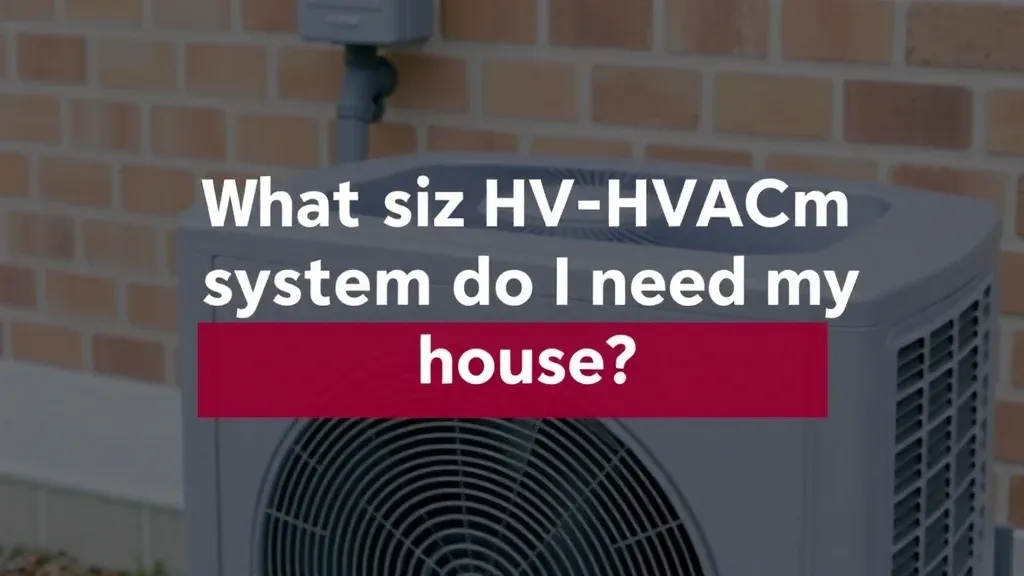
Determining the Right Size HVAC System for Your Home
Choosing the right size HVAC system for your house is crucial for ensuring comfort and energy efficiency. An improperly sized system can lead to high utility bills, inadequate heating or cooling, and even premature equipment failure. So how do you determine the correct size for your HVAC system? There are several factors to consider.
The most common method of sizing an HVAC unit is through a Manual J calculation. This method evaluates various characteristics of your home to assess what size system you actually need. Key factors include:
- The Area of Your Home: How many square feet does your house cover? You’ll need a basic measurement of your living space.
- Ceiling Height: Rooms with ceilings higher than the standard 8 feet need extra heating or cooling capacity.
- Climate Zone: Where you live affects the size of your HVAC system. Areas with extreme temperatures typically need larger units.
- Insulation Quality: Well-insulated homes can maintain temperature better, allowing for a smaller system.
- Number of Windows: More windows can lead to increased energy loss, requiring a larger system.
- Air Leakage: Ducts that leak air can cause your HVAC to work harder than needed.
Another important consideration is the Energy Star rating of the HVAC unit. Higher efficiency models can better match your home’s needs, even if they are slightly smaller. When you’re assessing your options, pay close attention to the British Thermal Units (BTUs) rating, as this measures the heating or cooling capacity of the system.
A practical way to estimate the HVAC size you need is to use the rule of thumb that provides you with BTU requirements. Generally, you’ll need about 20 BTUs per square foot of living space. For example, if your house is 1,500 square feet:
| Square Footage | BTUs Required |
|---|---|
| 1,500 sq ft | 30,000 BTUs |
| 2,000 sq ft | 40,000 BTUs |
| 2,500 sq ft | 50,000 BTUs |
Remember that this rule is a simplified approach and should be confirmed by a professional assessment. For the best and most accurate results, consulting with a licensed HVAC technician is indispensable. They can conduct the Manual J calculation and give you tailored insights into your home’s unique needs.
Additionally, when you’re ready to choose an HVAC system, look for a model that comes equipped with variable speed options. These types of systems can adjust their output according to the home’s requirements, making them more energy-efficient and comfortable.
Also, consider the layout of your house. Homes with open floor plans may circulate air differently compared to those with separated rooms. This can impact how the system distributes heat and air throughout your space, so a professional can help tailor the design effectively.
If you have special requirements, such as allergies or respiratory issues, it may also be necessary to include air purifiers or humidifiers as part of your HVAC system for optimal health benefits.
Always remember to regularly maintain your HVAC unit. This includes changing filters and scheduling yearly services to ensure everything is operating efficiently. A well-maintained system can last longer and work more effectively, which means you’ll save money in the long run.
For more detailed information on choosing the right HVAC system, visit HVAC.com where you’ll find a wealth of resources to assist you further.
Understanding BTUs and Their Role in HVAC Sizing
When determining the right size HVAC system for your home, understanding BTUs (British Thermal Units) is essential. BTUs measure the energy needed to heat or cool a pound of water by one degree Fahrenheit. In the context of HVAC systems, BTUs are crucial as they directly relate to a system’s heating or cooling capacity. If you select an HVAC system that is either too small or too large for your home, it can lead to inefficient energy use, discomfort, and increased utility bills.
To figure out what size HVAC system you need, you must first calculate the total BTUs required for your home. This calculation considers several factors that impact your home’s heating and cooling needs. Below are the key elements to assess:
- Square Footage: The size of your home is the most significant factor. On average, you can expect to need about 20 BTUs for each square foot of living space. For example, a 1,500-square-foot home would require roughly 30,000 BTUs.
- Climate: The climate in your area influences the system size. Hotter climates demand more cooling power, and colder climates may require more heating capacity. Depending on your local climate, you may alter the BTUs needed by about 10%-20%.
- Insulation: Good insulation reduces the amount of energy needed for heating or cooling. Poor insulation increases the need for higher BTUs to maintain comfortable indoor temperatures.
- Windows and Doors: The number and quality of windows and doors also affect your HVAC needs. For example, large windows that let in a lot of sunlight may require an increase in cooling capacity.
- Occupants and Appliances: More people in your home generate additional heat. Appliances also contribute to indoor temperatures, thus affecting the overall sizing of your HVAC system.
Next, let’s delve deeper into how these elements affect BTU calculations:
| Factor | BTU Adjustment |
|---|---|
| Square Footage | Multiply by 20 BTUs per square foot |
| Cold Climate | Add 10%-20% |
| Hot Climate | Add 10%-20% |
| Poor Insulation | Add 10%-20% |
| Each additional person | Add 600 BTUs |
Now that you understand the importance of BTUs, you can start calculating the right HVAC size for your home. To simplify the calculation, you may want to consider using a BTU calculator, which helps take multiple factors into account for a more accurate estimate. These calculators are available on several HVAC-related websites, like Energy.gov or hvac.com.
It’s also advisable to consult a professional HVAC technician. An expert can conduct a heat load calculation that considers your home’s unique features. This method provides a more precise measurement of the system size needed. A technician will look at insulation levels, window types, and even home orientation, which might influence the calculation.
Getting the right size HVAC system is paramount to ensure comfort and energy efficiency in your home. Installing a system that is too small may cause constant running, leading to higher energy costs and insufficient heating or cooling. On the other hand, an oversized unit will cycle on and off too frequently, which can also waste energy and create temperature fluctuations.
Understanding BTUs and their role in HVAC sizing can help you make better decisions for your home’s comfort and efficiency. Make sure to take all relevant factors into account and, if needed, seek professional advice for the best results.
Factors to Consider When Sizing Your HVAC System
When you’re thinking about your home’s comfort during hot summers and chilly winters, getting the right HVAC system is crucial. A system that’s too small will struggle to keep your home comfortable while one that’s too large can waste energy and cause issues with humidity. Here are the key factors to consider when sizing your HVAC system.
1. Square Footage of Your Home
Your home’s size plays a significant role in determining the appropriate HVAC system. The larger the area, the more BTUs (British Thermal Units) are needed. A good starting point is to calculate the total square footage of the space you want to cool or heat. A common rule of thumb is to use about 20 BTU per square foot of living space.
2. Insulation Quality
The effectiveness of your home’s insulation will directly affect the size of the HVAC system. Better insulation means you can maintain comfort with a smaller system. Consider these aspects:
- Type of insulation in walls and ceilings
- Age and condition of windows and doors
- Sealing around openings and joints
Evaluate these factors, as superior insulation may lessen your HVAC requirements.
3. Climate Zone
Your geographical location is an important factor. Homes in hotter climates may need more cooling capacity, while those in cooler areas will need more heating power. For example:
| Climate Zone | Cooling BTU | Heating BTU |
|---|---|---|
| Hot | 30-40 BTU/sq ft | 20-30 BTU/sq ft |
| Moderate | 20-30 BTU/sq ft | 30-40 BTU/sq ft |
| Cold | 15-20 BTU/sq ft | 40-50 BTU/sq ft |
Knowing your climate zone helps to make informed adjustments for the HVAC capacity needed.
4. Number of Windows and Doors
The amount of glass in your home can significantly impact temperature control. If you have many windows or large openings, you will need a more robust HVAC system to manage the heat gain in the summer and heat loss in the winter. Remember to consider:
- Size and orientation of windows
- Energy efficiency ratings of window installations
- Shading elements like trees, awnings, or overhangs
5. Occupancy and Lifestyle
How many people live in your house? More occupants contribute to heat generation and humidity, requiring a larger HVAC system. Additionally, lifestyle factors can play a role:
- Do you cook often?
- Do you have a lot of electronic devices running?
- Do you use large appliances that emit heat?
All these activities can increase the load on your HVAC system.
6. Ductwork Design and Leakage
The condition and design of your ductwork matter. Poorly designed or leaky ducts can lose significant amounts of heated or cooled air, making your HVAC system less effective and leading to the need for additional capacity.
Here are some considerations:
- Inspect ducts for air leaks or damage
- Consider the layout of the ducts in relation to the rooms they serve
- Evaluate the diameter and insulation of the ductwork
These dimensions and designs will also factor into the efficiency and size of your new HVAC system.
Sizing your HVAC system involves evaluating multiple elements including square footage, insulation, climate zone, the number of openings in your home, occupancy levels, and ductwork condition. For more detailed guidance on sizing your HVAC system accurately, consider consulting professionals at HVAC.com or Energy Star. They can provide additional resources tailored to your specific needs, ensuring your home remains comfortable year-round.
The Impact of Climate on HVAC System Requirements
When considering the heating and cooling needs of a home, understanding the impact of climate is crucial. Different regions experience varying weather patterns, temperatures, and humidity levels, all of which influence the demand placed on HVAC systems. Choosing the right HVAC system for your house means taking these climate factors into account.
Understanding Local Climate Conditions
Your local climate can significantly affect the required size and efficiency of your HVAC system. Here’s how different elements come into play:
- Temperature Variations: Regions that experience extreme temperatures—whether hot summers or icy winters—will require HVAC systems designed to handle these fluctuations.
- Humidity Levels: High humidity can make living conditions uncomfortable, increasing the need for powerful air conditioning systems that effectively dehumidify the air.
- Seasonal Changes: Some areas may have longer seasons of heating or cooling needs, impacting the overall efficiency you require from your HVAC system.
Climate Zones and HVAC System Sizing
The U.S. is divided into several climate zones, and understanding your specific zone can help you choose the right HVAC system. Here’s a brief on each zone:
| Climate Zone | Description | HVAC Recommendations |
|---|---|---|
| Zone 1 | Warm, humid | High SEER cooling systems, possibly heat pump for mild winters. |
| Zone 2 | Warm, dry | SEER rated systems with efficient cooling capabilities. |
| Zone 3 | Temperate | Balanced systems for both heating and cooling. |
| Zone 4 | Cool, humid | Heating systems with good dehumidification capability. |
| Zone 5 & up | Cold | High-efficiency furnaces, advanced heating systems. |
Calculating HVAC Needs Based on Climate
To accurately size an HVAC system, you can perform a load calculation based on your home’s specific conditions. This involves assessing:
- The square footage of your home
- The number of windows and doors and their energy efficiency
- The home’s insulation levels
- The number of occupants, as people generate heat
- Local climate data, which can include average seasonal temperatures and humidity.
One commonly used method for calculating your home’s heating and cooling needs is the Manual J calculation. This comprehensive assessment helps determine compliance with local energy codes and ensures that your HVAC unit can handle the load effectively. For more information on this calculation, [visit this guide](https://www.acca.org).
Choosing the Right HVAC System
After understanding your climate and calculating your home’s specific needs, you can select the most suitable HVAC system. Here are options to consider:
- Central Air Conditioning: Ideal for larger homes in hot climates. Look for high SEER ratings to maximize efficiency.
- Heat Pumps: Energy-efficient solutions that offer both heating and cooling. They work best in moderate climates.
- Ductless Mini-Split Systems: Flexible for homes without existing ductwork, and perfect for targeted areas.
- Furnaces: Best in colder climates. Ensure it has a high AFUE rating for energy efficiency.
In preparation for installing your HVAC system, consider consulting a professional for a detailed assessment. They can guide you in selecting equipment tailored to the specific climate impacts affecting your home.
For more detailed insights about how climate can affect HVAC systems, refer to specialized resources such as Energy Saver or HVAC.com.
Choosing the right HVAC system is not solely about the equipment; it’s about ensuring comfort and efficiency tailored to your environment. Understanding the climate’s role in this decision is a step towards making an informed investment in your home.
Signs You Need to Upgrade Your HVAC System
It can be hard to know when it’s time to upgrade your HVAC system. Many homeowners experience comfort issues without realizing that an outdated system can be the culprit. Here are some clear signs to look for that indicate an upgrade may be necessary.
1. Constant Repairs
If you find yourself calling for HVAC repairs frequently, it might be time to consider an upgrade. While some repairs are normal, consistent breakdowns suggest that your system is nearing the end of its lifespan. Over time, the cost of repairs can add up. Investing in a new, efficient unit may ultimately save you money.
2. Increased Energy Bills
Another sign that it might be time for an upgrade is seeing a noticeable increase in your energy bills. An older HVAC system often loses efficiency, causing it to work harder to heat or cool your home. You should compare your utility bills from the past few years. If you see a significant rise without a change in usage, your HVAC system may be the issue.
3. Uneven Temperatures
If certain rooms in your house are too hot or too cold compared to others, this indicates your HVAC system isn’t performing efficiently. This can be due to various reasons, including poor ductwork or an aging unit. An upgrade could provide better temperature regulation, ensuring consistent comfort throughout your home.
4. Age of the System
The average lifespan of an HVAC system is about 15-25 years, depending on the type and quality of the unit. If your system is approaching this age or older, it’s wise to start considering a replacement. Older units are less efficient and may not adhere to modern energy standards.
5. Frequent Thermostat Adjustments
If you find yourself constantly adjusting the thermostat to maintain a comfortable temperature, your HVAC system may be struggling. Inconsistent heating or cooling indicates that your unit may not be able to handle the demands of your home. Upgrading to a newer model with advanced features can solve this problem.
6. Strange Noises or Foul Odors
Unusual sounds like banging, clanging, or squealing can mean that components of your HVAC system are malfunctioning. Similarly, any strange odors emitting from the system shouldn’t be ignored. These signs often signal that your system is working harder than it should be, which can lead to bigger issues down the line. An upgrade to a newer model could prevent further discomfort and health risks.
7. Humidity Issues
Inadequate humidity control can lead to discomfort and potential health risks. An HVAC system that can’t effectively manage humidity may cause mold growth and other related issues. If you notice excessive humidity in the summer or dryness in the winter, consider evaluating your HVAC system for an upgrade.
8. Smart Technology Integration
Modern HVAC systems come equipped with smart technology that allows for optimal control over your home’s temperature. If you are looking to modernize your home, consider upgrading to a system that offers Wi-Fi connectivity, programmable thermostats, and energy usage tracking. These features can contribute to significant energy savings and more efficient climate control.
Addressing these signs is essential for maintaining a comfortable and efficient home. If you’re unsure about the state of your HVAC system, it may be beneficial to consult with a professional. They can assess your system and provide tailored recommendations for upgrades.
For further assistance in choosing the right HVAC system for your home, consider visiting Energy.gov which provides invaluable resources regarding energy efficiency and HVAC systems. You can also check out HVAC.com to explore different models and learn more about their features.
Deciding to upgrade your HVAC system is an important choice that can enhance your home’s comfort, efficiency, and air quality. Keep an eye out for these signs and don’t hesitate to take action!
Energy Efficiency Tips for Your HVAC System
Maintaining an energy-efficient HVAC system can significantly reduce your utility bills while ensuring your home stays comfortable throughout the year. Here are several tips that you can implement to enhance the efficiency of your heating, ventilation, and air conditioning system.
Regular Maintenance
Keeping up with regular maintenance is essential for the efficiency of your HVAC system. Just like a car, your HVAC unit needs check-ups. Some tasks you can do include:
- Changing air filters every 1-3 months.
- Scheduling annual professional inspections.
- Cleaning the condenser and evaporator coils.
Regular maintenance can prevent breakdowns and ultimately prolong the lifespan of your system.
Optimize Thermostat Settings
An efficient thermostat setting can save you a considerable amount of energy. Consider these strategies:
- Set your thermostat to 78°F in summer and 68°F in winter.
- Implement a programmable thermostat to adjust temperatures based on your schedule.
- Utilize smart thermostats that learn your habits and optimize energy use accordingly.
By keeping the thermostat at optimal settings, you can maximize comfort and minimize energy use.
Seal and Insulate Your Home
Leaky ducts and poorly insulated spaces can cause significant energy loss. To improve your HVAC efficiency, follow these steps:
- Inspect and seal ductwork with mastic or metallic tape.
- Insulate your attic, walls, and floors.
- Install weather stripping around doors and windows.
Proper sealing and insulation keep conditioned air inside and reduce the load on your HVAC system.
Use Ceiling Fans Wisely
Ceiling fans can be a great ally in helping regulate temperature. Here’s how to use them effectively:
- Run ceiling fans counterclockwise in summer to create a breeze.
- Switch to a clockwise direction in winter to circulate warm air.
- Always turn fans off when leaving a room, as fans cool people, not spaces.

Upgrade Your HVAC System
If your HVAC system is more than 10-15 years old, it may be time for an upgrade. Look for energy-efficient models with high SEER ratings (Seasonal Energy Efficiency Ratio). A qualified HVAC technician can help you select the right system based on your home’s specific requirements.
Consider Zoning Systems
Zoning systems can provide targeted cooling and heating, which saves energy. With this setup, you can:
- Heat or cool specific areas of your home according to your needs.
- Reduce energy consumption in unused rooms.
- Enhance comfort for different areas by controlling temperatures independently.
Utilize Natural Ventilation
Natural ventilation can reduce your dependence on mechanical systems. Open windows during cooler parts of the day or use exhaust fans to allow warm air to escape. Strategies for effective natural ventilation include:
- Cross-ventilation by opening windows on opposite sides of your home.
- Using thermal mass to retain heat or coolness.
- Creating shade with awnings or trees near windows.
Invest in Energy Star Products
When upgrading appliances or equipment, look for products that have the Energy Star label. These products meet strict energy efficiency guidelines and can save you money in the long run.
By implementing these energy-efficient tips for your HVAC system, you can improve your home’s comfort while reducing energy consumption. Regular maintenance, optimizing your thermostat settings, sealing your home, using ceiling fans wisely, and considering upgrades when necessary can make a significant difference in both energy bills and environmental impact.
For more information on improving HVAC efficiency, visit Energy Saver and explore how you can make your home more energy-efficient.
Common Mistakes to Avoid When Choosing an HVAC System
Choosing the right HVAC system for your home is crucial for comfort, energy efficiency, and cost savings. However, there are several common mistakes homeowners make during this process. By understanding these pitfalls, you can avoid costly errors and ensure you select the best HVAC system for your needs.
Not Considering the Size of the System
One of the biggest mistakes is choosing an HVAC system without considering the size required for your home. An oversized unit can lead to inefficient operation and increased energy bills, while an undersized unit may struggle to maintain comfortable temperatures. To determine the right size, consider factors such as:
- The square footage of your home
- The height of your ceilings
- Your regional climate
- Insulation levels
- Number and type of windows
It’s advisable to consult with a professional to perform a Manual J load calculation, which accurately determines the heating and cooling load required.
Ignoring Energy Efficiency Ratings
Many homeowners overlook the energy efficiency ratings of HVAC systems, which are crucial for saving on utility bills. Look for the Seasonal Energy Efficiency Ratio (SEER) for cooling systems and the Annual Fuel Utilization Efficiency (AFUE) for heating systems. The higher the rating, the greater the energy savings. Investing in a more efficient system upfront can significantly reduce long-term costs.
Overlooking Maintenance Requirements
Another common mistake is not considering the maintenance needs of the HVAC system. Some systems require more frequent upkeep than others. Regular maintenance extends the lifespan of your system and helps prevent unexpected breakdowns. Make sure to inquire about maintenance contracts and what’s involved in keeping the system running efficiently.
Disregarding Ductwork Condition
The condition of your ductwork is just as important as the HVAC unit itself. Leaky or poorly insulated ducts can cause heated or cooled air to escape, leading to higher energy bills and inconsistent temperatures. Before installing a new system, check the state of your existing ductwork. Repairing or sealing leaks can improve overall system efficiency.
Choosing Based on Price Alone
While price is undoubtedly a significant factor, selecting an HVAC system solely on cost can be detrimental. A lower-priced system may not provide the efficiency or longevity you need. Instead, evaluate the overall value, which includes energy efficiency, warranty, features, and installation costs. Sometimes, spending a little more upfront can lead to greater savings in the long run.
Neglecting Local Climate Considerations
Your local climate plays a crucial role in determining the best HVAC system for your home. If you live in a region with extreme temperatures, you may need a more robust heating or cooling system. Research the average temperatures and humidity levels in your area to ensure you select a system that can handle local conditions effectively.
Failing to Consult with Professionals
Attempting to choose an HVAC system without expert guidance can lead to mistakes. Consulting with a professional HVAC contractor provides insights into the right system for your needs, local building codes, and installation practices. They can help you navigate the complexities of HVAC options and ensure you make an informed decision.
| Mistake | Cost Implications | Solution |
|---|---|---|
| Incorrect System Size | Higher utility bills, discomfort | Professional load calculation |
| Neglecting Energy Efficiency | Increased operating costs | Choose high EF ratings |
| Poor Ductwork Condition | Wasted energy, poor airflow | Inspect and repair ducts |
| Ignoring Maintenance Needs | Unexpected repair costs | Regular maintenance checks |
For more detailed assistance with choosing the right HVAC system, visit Energy Star or consult your local HVAC contractor. Finding the right system can lead to improved comfort, lower energy bills, and a positive contribution to the environment.
Key Takeaway:
When it comes to ensuring optimal comfort in your home, determining the right size HVAC system is crucial. A properly sized HVAC system not only keeps your living space comfortable year-round but also plays a significant role in energy efficiency and cost savings. Understanding BTUs (British Thermal Units) is at the heart of HVAC sizing. BTUs measure the energy required to heat or cool a specific space. The right amount of BTUs will depend on your home’s size, layout, and insulation.
Several factors come into play when sizing your HVAC system. You should consider the total square footage of your home, the number of windows, the amount of shade, and the number of occupants. Each element can influence how much heating or cooling you’ll need. Additionally, the climate in which you live significantly impacts your HVAC requirements. For instance, if you reside in a hotter or more humid area, you might need a robust cooling system to stay comfortable throughout the summer months.
As your home ages, you might notice signs that suggest it’s time to upgrade your HVAC system. Frequent repairs, uneven temperature distribution, or increasing energy bills may all be indicators that your current system is no longer effective. Upgrading to a modern, energy-efficient HVAC system can yield significant long-term savings and improve your home’s overall comfort.
It’s also essential to consider common mistakes when choosing an HVAC system. A frequent misstep is opting for a system that is too large or too small for your space. An oversized unit may cool your home quickly, but it won’t dehumidify effectively, leading to discomfort. Conversely, an undersized system will struggle to maintain desired temperatures, resulting in wear and increased costs.
By understanding these key concepts, you can make an informed decision when selecting the right HVAC system for your home. Prioritizing size and efficiency can lead to a more comfortable living environment and substantial savings on your energy bills over time.
Conclusion
Selecting the right size HVAC system for your home is a crucial decision that impacts your comfort, energy bills, and overall efficiency. Understanding BTUs and their role in HVAC sizing allows you to make educated choices about your system’s capacity. By taking into account factors like home size, insulation levels, and the number of windows, you can determine the best fit for your unique needs.
Climate plays a significant role in HVAC requirements; warmer areas may require more cooling capacity, while colder climates will need systems with adequate heating capabilities. Recognizing signs that you need to upgrade your HVAC system, such as inconsistent temperatures or rising energy costs, can prevent further issues down the line.
Additionally, focusing on energy efficiency not only helps the environment but also reduces your monthly utility bills. Implementing tips like regular maintenance and utilizing programmable thermostats can enhance your system’s lifespan and performance.
Avoiding common mistakes—like purchasing an oversized or undersized system—can save you money and improve comfort. By taking the time to evaluate these factors, you put yourself in a better position to choose an HVAC system that will keep your home comfortable and efficient for years to come. Making informed decisions ensures you will enjoy a well-balanced environment no matter the season, promoting a healthier and more enjoyable living space for you and your family.