AI-Driven HVAC Optimization: Balancing Comfort and Energy Savings
As the world becomes increasingly focused on sustainability, smart technologies are redefining how we manage our indoor environments. One of the most significant advancements in this realm is AI-driven HVAC optimization, which effectively balances comfort and energy savings. These systems intelligently analyze your home or building’s heating, ventilation, and air conditioning (HVAC) operations, leading to enhanced efficiency and reduced energy consumption.
AI-powered HVAC systems utilize machine learning algorithms to anticipate your heating and cooling needs based on various factors, including your habits, weather conditions, and occupancy patterns. This proactive approach prevents overcooling or overheating spaces, ensuring comfort without excessive energy use. Here’s how it works:
- Smart Sensors: These devices monitor temperature, humidity, and air quality in real-time. By constantly gathering data, they provide insights that allow HVAC systems to adjust settings automatically.
- Predictive Analytics: By analyzing historical data and current trends, AI systems can predict when heating or cooling is needed. This not only maintains a comfortable environment but also optimizes energy usage.
- Adaptive Learning: The system learns your preferences over time. If you prefer a cooler home during the day and a warmer one at night, the AI adjusts the settings accordingly.
The integration of AI into HVAC systems comes with multiple benefits. It not only maintains comfort levels but also significantly reduces energy costs. Traditional HVAC systems often rely on fixed schedules, leading to wastage when spaces are unoccupied. AI-driven systems optimize energy consumption without compromising comfort:
| Benefit | Traditional HVAC | AI-Driven HVAC |
|---|---|---|
| Energy Efficiency | Fixed schedules | Real-time adjustments |
| Comfort Levels | Static temperature settings | Dynamic and responsive |
| Maintenance Needs | Reactive maintenance | Proactive maintenance |
Moreover, energy savings translate to significant cost reductions. According to research by the U.S. Department of Energy, homes with optimized HVAC systems can reduce energy bills by up to 30%. This makes a compelling case for both residential and commercial applications.
To further enhance HVAC performance, consider incorporating these strategies:
- Regular Maintenance: Even the most advanced systems need maintenance. Schedule periodic check-ups to keep them running efficiently.
- Smart Thermostats: These devices allow for remote management of your HVAC system, adding another layer of convenience and energy savings.
- Upgrading Components: If your system is outdated, consider upgrading to modern, energy-efficient models that work harmoniously with AI.
The environmental impact of AI-driven HVAC optimization is also noteworthy. By reducing energy consumption, these technologies help decrease greenhouse gas emissions. According to the U.S. Environmental Protection Agency, HVAC systems account for a large portion of energy usage in buildings. By optimizing operational patterns, we can contribute to more sustainable living.
AI solutions into HVAC systems not only enhances comfort but also pays off economically and environmentally. As this technology becomes more accessible, homeowners and businesses can greatly benefit from energy savings while enjoying a more pleasant indoor atmosphere.
To explore the impact and solutions offered by AI-driven HVAC systems, consider visiting online resources such as ASHRAE or HVAC.com. Investing in smart HVAC technology is more than just an upgrade—it’s a commitment to a sustainable future.
The Role of Machine Learning in Modern HVAC Systems
Machine learning is changing the way we look at heating, ventilation, and air conditioning (HVAC) systems. These technologies are now smarter, adaptive, and can provide greater energy efficiency while enhancing comfort. Understanding the impact of machine learning in modern HVAC systems helps in grasping why these innovations are crucial for both homes and industries.
HVAC systems have traditionally operated based on simple temperature and humidity sensors. However, with machine learning, these systems can analyze vast amounts of data over time. This leads to better predictions and more efficient operations. Here’s how machine learning is transforming HVAC:
Data-Driven Insights
Machine learning algorithms examine historical and real-time data from your HVAC system, identifying patterns and trends. This results in:
- Predictive Maintenance: By monitoring system performance, machine learning can predict when a component may fail. This allows for timely repairs, reducing downtime and costs.
- Energy Consumption Optimization: Algorithms analyze usage patterns to adjust settings automatically, ensuring HVAC runs efficiently without sacrificing comfort.
Smart Thermostat Integration
Machine learning-enabled smart thermostats learn from your daily routines. They adjust the heating and cooling based on your preferences, occupancy, and even the weather. For instance:
- Self-Learning Capabilities: These devices adapt to your behavior over time. If you typically leave for work at 8 AM, the thermostat will adjust to optimize energy savings when you’re not at home.
- Remote Management: Many models now allow you to control your HVAC via smartphone apps, providing convenience and real-time monitoring.
Improved Indoor Air Quality
Maintaining good indoor air quality is vital for health and comfort. Machine learning can enhance air quality management by:
- Real-Time Monitoring: Using sensors that track pollutants and allergens, machine learning systems can identify when air quality falls below acceptable levels.
- Automatic Adjustments: The system can adjust ventilation or filtration in real-time to mitigate indoor pollution.
Energy Efficiency and Cost Savings
One of the primary benefits of incorporating machine learning into HVAC systems is energy efficiency. The data collected allows for precise climate control, which translates into substantial savings on energy bills. Consider the following:
| Feature | Benefit |
|---|---|
| Adaptive Control | Reduces unnecessary heating/cooling based on occupancy. |
| Real-Time Adjustments | Changes settings based on immediate climate conditions. |
| Long-Term Savings | Lower operational costs over time due to improved efficiency. |
Enhanced Comfort Levels
Comfort is key when it comes to HVAC systems. Machine learning ensures that your living or working space stays at optimal temperatures. The technology helps to:
- Maintain Consistent Temperatures: Avoid the fluctuations typical in conventional systems, providing a more comfortable environment.
- Zone Cooling/Heating: Adjusts the climate in different areas of a building based on usage patterns and occupancy.
Real-World Applications
Multiple companies are now implementing machine learning in their HVAC systems for better functionality. Notable examples include:
- Circulon – Leveraging machine learning for smart ventilation.
- Johnson Controls – Utilizing IoT and machine learning to enhance HVAC efficiency.
The integration of machine learning into HVAC systems is not just a futuristic notion; it’s happening now. As technology advances, these systems will only become more intuitive and efficient. Whether for residential or commercial use, understanding how machine learning enhances HVAC can lead to better choices in energy management, comfort level, and savings.
For further reading and insights into the future of HVAC technology, consider checking out resources from Energy.gov and ASHRAE.
Techniques for Enhancing Indoor Air Quality with AI
Indoor air quality is crucial for maintaining a healthy living environment. With the advent of AI, various techniques have emerged to enhance air quality effectively. You can leverage these technologies to breathe easier and live healthier.
Understanding Indoor Air Pollutants
Before we dive into AI-driven techniques, it’s essential to know what impacts indoor air quality. Common pollutants include:
- Volatile Organic Compounds (VOCs)
- Carbon Dioxide (CO2)
- Particulate Matter (PM)
- Mold spores
- Bacteria and viruses
Each of these factors can contribute to allergies, respiratory issues, and other health problems. AI can help monitor and mitigate these pollutants effectively.
Real-Time Monitoring with AI
One of the standout features of AI is its ability to monitor indoor air quality in real-time. Advanced sensors equipped with AI can:
- Measure levels of CO2 and VOCs continuously
- Detect changes in humidity and temperature
- Identify sources of pollution, such as smoking or cooking
This real-time data allows you to understand your indoor air quality better and take immediate action when needed.
Predictive Analytics for Air Quality Management
AI doesn’t just monitor; it can predict air quality issues before they arise. By using historical air quality data and analyzing patterns, AI can:
- Anticipate spikes in pollutants based on activities or events
- Suggest optimal ventilation strategies
- Notify you when it’s an ideal time to air out your home
This predictive capability helps you stay ahead and maintain a cleaner, fresher atmosphere.
Smart Ventilation Systems
Advanced HVAC systems integrated with AI can adjust airflow in response to real-time air quality readings. These smart systems can:
- Increase ventilation when pollutants rise
- Recycle indoor air when it’s cleaner
- Optimize energy usage while ensuring comfort
By doing so, you enjoy not just better air quality but also energy efficiency.
Air Purification Methods with AI
AI-driven air purifiers are becoming increasingly popular. These smart devices can:
- Automatically adjust their cleaning cycles based on detected air quality
- Utilize advanced filtration systems to remove smaller particulates
- Provide feedback on air quality improvements
Some models even connect to your smartphone, allowing you to monitor air quality remotely.
Integrating Indoor Plants with AI
A unique approach combines the natural benefits of indoor plants with AI technology. Some advancements include:
- Using smart pots that monitor plant health and moisture levels
- AI systems that recommend the best plants for your environment
- Feedback loops to suggest when to care for your plants for optimal air purification
This combination not only beautifies your space but also elevates indoor air quality.
Challenges to Consider
While AI technologies offer promising solutions, there are challenges to keep in mind:
- High initial costs associated with smart devices
- Data privacy concerns with monitoring systems
- The need for regular updates and maintenance
Considering these aspects will help you make informed decisions about incorporating AI into your air quality management.
Resources for Further Information
If you want to enhance your indoor air quality using AI, consider visiting the following websites:
Enhancing your indoor air quality with AI-driven techniques offers a healthier, more comfortable living environment. By understanding how these technologies work, you can make proactive choices that benefit both you and your home.
Cost-Benefit Analysis of AI in HVAC Solutions
As energy demands rise, finding ways to optimize heating, ventilation, and air conditioning (HVAC) systems becomes crucial. The integration of AI technology into HVAC solutions offers significant benefits, including increased efficiency and enhanced comfort. However, weighing the costs against the benefits is essential for businesses and homeowners alike. This analysis delves into the financial impacts of adopting AI-driven HVAC solutions.
Understanding the Cost Factors
When considering AI technologies for HVAC systems, various costs must be accounted for:
- Initial Investment: The upfront costs of AI software, sensors, and needed hardware can reach thousands of dollars. It’s important to evaluate long-term savings against this initial outlay.
- Installation Expenses: Hiring professional technicians for installation adds to the costs. Ensure you choose a reputable service provider for optimal setup.
- Maintenance and Upgrades: Routine maintenance is crucial for AI systems. Additionally, software updates may incur costs, usually less than reinstalling outdated systems.
Evaluating the Benefits
While the initial costs may seem daunting, the benefits of implementing AI in HVAC solutions often outweigh them:
- Energy Efficiency: AI can analyze usage patterns and adjust settings to optimize energy consumption, potentially lowering energy bills by up to 30%.
- Enhanced Comfort: By using smart algorithms, AI maintains ideal temperatures in real-time, ensuring comfort for all occupants.
- Predictive Maintenance: AI systems can assess historical data and predict equipment failures before they happen, reducing downtime and repair costs.
- Environmental Impact: Decreased energy usage lowers the carbon footprint, aligning with green building standards and appealing to eco-conscious consumers.
Long-Term Financial Impacts
The financial impact of AI in HVAC systems is not limited to simple savings on bills. Consider these factors:
- Return on Investment (ROI): Businesses can expect a significant ROI within a few years due to reduced operational costs.
- Increased Property Value: Modern, efficient HVAC systems can increase property values, making them appealing to future buyers.
- Government Incentives: Many regions offer tax breaks or rebates for energy-efficient upgrades, enhancing the cost-effectiveness of installing AI-driven systems.
Comparative Analysis
Here’s a breakdown comparison of traditional HVAC systems versus AI-driven solutions:
| Feature | Traditional HVAC | AI-Driven HVAC |
|---|---|---|
| Energy Consumption | Higher | Up to 30% lower |
| Comfort Control | Manual adjustments | Automated real-time adjustments |
| Maintenance | Reactive | Predictive, proactive maintenance |
| Initial Cost | Moderate | Higher but offset by savings |
Making the Transition
Transitioning to AI-driven HVAC systems might feel overwhelming, but breaking it down can help. Here’s how to start:
- Assess Your Current System: Evaluate the efficiency of your existing HVAC setup and identify areas needing improvement.
- Research Providers: Find reputable AI HVAC providers. Companies such as Trane and Bryant offer advanced systems that integrate AI technology.
- Consult with Experts: Engage with HVAC professionals to discuss options, costs, and benefits specific to your home or business.
- Calculate Potential Savings: Use ROI calculators available on provider websites to estimate potential savings and gains.
Ultimately, the decision to adopt AI-driven HVAC optimization involves a thorough assessment of costs and long-term benefits. Understanding these elements fosters better decision-making, leading to improved energy efficiency and enhanced comfort.
For further insights and detailed analyses, consider visiting Energy.gov, which provides updated information on energy-efficient technologies.
Future Trends in HVAC Technology and Energy Efficiency
The HVAC industry is evolving rapidly, driven by technological advancements and the urgent need for energy efficiency. Home and business owners are increasingly looking for solutions that not only provide comfort but also contribute to energy savings. Below are some of the future trends that are shaping HVAC technology and energy efficiency.
Smart HVAC Systems
Smart HVAC systems are becoming a standard in modern buildings. These systems are equipped with sensors and internet connectivity to monitor various environmental factors such as temperature, humidity, and air quality.
- Adaptive Learning: Smart systems can learn your preferences over time and adjust settings automatically to ensure optimal comfort.
- Remote Control: Many smart HVAC systems allow you to control your heating and cooling via smartphone apps, making it easy to adjust settings from anywhere.
- Integration with Smart Home Devices: Compatibility with smart home ecosystems like Google Home or Amazon Alexa enhances user experience and control.
Energy Efficiency Regulations
As climate change concerns grow, stricter regulations on energy efficiency are being implemented. New HVAC systems will need to meet or exceed these standards to be viable in the market.
- SEER Ratings: The Seasonal Energy Efficiency Ratio (SEER) will become increasingly important, with a focus on higher ratings that signify more efficient systems.
- Energy Star Certification: More products will likely achieve Energy Star certification, which assures consumers of their efficiency and environmental impact.
Renewable Energy Integration
Renewable energy sources, such as solar and wind, are playing a crucial role in the future of HVAC technology. Integrating renewable energy can significantly reduce dependence on traditional energy sources.
- Solar-Powered HVAC Units: Expected to become more common, these systems can cut energy costs and carbon footprints.
- Hybrid Systems: Combining traditional HVAC units with renewable sources can optimize energy consumption while minimizing environmental impact.
Improved Insulation Materials
One way to enhance energy efficiency is through advancements in insulation materials used in HVAC systems. Improved materials can provide better thermal performance and reduce energy loss.
- Reflective Insulation: This type of insulation can effectively reflect radiant heat away from living spaces.
- Phase-Change Materials: These materials absorb and release thermal energy, helping maintain a stable indoor temperature.
Predictive Maintenance
The shift from reactive to predictive maintenance is a trend that will greatly enhance HVAC systems’ efficiency. Utilizing data analytics and IoT technologies allows for the early detection of potential issues before they become severe.
- Sensor-Driven Insights: Sensors can continuously monitor equipment performance, sending alerts when maintenance is required.
- Cost Savings: Predictive maintenance can lead to significant cost savings by extending the life of equipment and reducing emergency repairs.
As we look toward the future, staying informed about these trends will be essential for homeowners and business owners alike. Understanding your options can empower you to make better choices for your HVAC systems, focusing on both comfort and energy savings.
Embracing these advances in HVAC technology will not only enhance comfort in your home or business but also contribute meaningfully to energy conservation. You can play a part in a more sustainable future simply by choosing the right HVAC system.
For ongoing tips and insights on HVAC trends, consider visiting Energy.gov or HVAC.com to stay updated with the latest innovations and practices in the industry.
Integrating Smart Home Systems with HVAC Optimization
Integrating smart home systems with HVAC optimization is a game-changer for homeowners seeking to balance comfort and energy savings. The rise of Internet of Things (IoT) devices allows you to control various aspects of your home environment seamlessly. By effectively utilizing smart technology, you gain not only comfort but also substantial economic benefits in energy consumption.
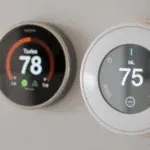
One of the primary advantages of integrating smart home systems with HVAC is enhanced control. Smart thermostats, like the Ecobee or the Nest Learning Thermostat, allow for remote adjustments through your smartphone. This means that whether you are at work or on vacation, you can manage your home’s temperature settings in real-time. You can schedule heating and cooling times, set specific temperature preferences, and even receive alerts in case of unusual temperature fluctuations.
Energy savings are another critical factor to consider. By optimizing HVAC systems using smart technology, you can significantly lower your energy bills. Smart thermostats use algorithms and machine learning to learn your habits over time. They adapt heating and cooling cycles according to your preferences, ensuring that you don’t waste energy when you’re not home. For instance:
- Geo-Fencing: Using GPS data from your smartphone, your HVAC system can automatically reduce or increase temperature settings based on your proximity to home.
- Energy Usage Reports: Many smart thermostats provide detailed reports on your energy consumption, helping you identify trends and areas for improvement.
- Smart Ventilation: Systems can optimize airflow by analyzing which rooms are occupied and adjusting accordingly, ensuring minimal energy waste.
But the optimization doesn’t stop here. Integrating other smart home devices can further enhance your HVAC performance. For example, smart blinds or shades can automatically adjust based on the time of day or the current weather conditions. This not only enhances your comfort but also helps regulate indoor temperatures. In sunny weather, smart blinds can close to keep your home cool, while they can open during colder periods to leverage natural warmth from the sun.
Furthermore, air quality is an essential element of comfort. Smart air quality sensors can monitor indoor pollutants and humidity levels, providing you with insights to maintain a healthier environment. As many HVAC systems also work with air purifiers, real-time data can ensure these devices are activated only when necessary, further optimizing energy consumption.
Data integration across devices leads to significant improvements in energy efficiency and overall home comfort. Here’s how:
| Smart Device | Benefit |
|---|---|
| Smart Thermostat | Remote temperature control, learning behavior, energy usage reports. |
| Smart Vents | Adjust airflow based on occupancy, minimizes energy waste. |
| Smart Blinds | Regulate indoor temperatures based on sunlight, enhance comfort. |
| Air Quality Sensors | Monitor pollutants, connect with HVAC systems for better air quality. |
For effective integration, selecting a compatible ecosystem is vital. Many smart home systems operate on popular platforms like Amazon Alexa or Google Assistant, enabling voice control and easy automation setup. This not only adds a layer of convenience but also allows for customized scenarios, such as setting the HVAC to turn on 30 minutes before arriving home or activating energy-saving modes during nighttime.
Investing in HVAC optimization with smart home integration offers long-term benefits that exceed mere comfort. By reducing energy consumption, you’re not only lowering bills but also minimizing your carbon footprint. This alignment with sustainability efforts is becoming increasingly important for environmentally-conscious homeowners.
To fully take advantage of these benefits, it’s advisable to work with professionals experienced in smart home technology and HVAC systems. They can help you design a system tailored to your specific needs and ensure seamless integration across devices. Companies like HomeAdvisor can connect you with local professionals to help get started.
Ultimately, embracing smart technology in your HVAC system opens up a world of possibilities. It seamlessly supports your everyday life while providing energy-efficient comfort that benefits both you and the environment.
Case Studies: Successful Implementation of AI in HVAC Systems
Artificial Intelligence (AI) is transforming HVAC systems by optimizing energy consumption and improving user comfort. Several case studies demonstrate how businesses have successfully integrated AI into their HVAC operations, leading to impressive results in energy savings and overall efficiency.
One notable example comes from a large commercial office building in New York City. The building management implemented an AI-driven HVAC system that utilizes machine learning to analyze real-time data from various sensors throughout the facility. This AI system automatically adjusts the temperature and airflow based on occupancy levels, outdoor weather conditions, and historical data. As a result, the building saw a remarkable 30% decrease in energy costs within the first year of implementation. Additionally, tenant satisfaction improved due to a consistently comfortable environment.
Another great illustration features a popular hotel chain that installed an AI-based HVAC solution across its properties. By using predictive analytics, the system forecasts guest occupancy and adjusts HVAC settings accordingly. This proactive approach reduced energy consumption by 25% without sacrificing guest comfort. The hotel’s energy management team reported that the system was also able to identify maintenance issues before they became problematic, further enhancing operational efficiency.
The manufacturing sector has also benefited from AI-driven HVAC optimization. A leading automobile manufacturer integrated AI technology into their facility’s HVAC system. Machine learning algorithms were used to analyze energy use patterns and outside climatic conditions. The result was a 45% reduction in HVAC energy costs while maintaining optimal working conditions for employees. This significant energy savings not only cut costs but also enhanced the plant’s sustainability efforts.
Retail businesses have jumped on the AI bandwagon as well. A multinational retail chain employed an AI-driven HVAC system that provides insights into customer traffic patterns. By adjusting heating and cooling based on foot traffic, the company was able to reduce energy waste during off-peak hours. Consequently, the chain reported about a 20% reduction in energy expenditures across multiple locations, contributing to a more profitable bottom line.
Hotels and resorts aren’t the only ones focused on guest experiences through HVAC optimization. A healthcare facility adopted an AI-driven HVAC system that automatically adjusts conditions to ensure the comfort of patients while optimizing energy use. Using predictive analytics, the system significantly improved indoor air quality and comfort levels while reducing energy costs by 35%. This successful outcome emphasized the importance of patient satisfaction in critical environments.
Here’s a glance at some remarkable examples of AI-driven HVAC optimization implementation:
| Company | Sector | Energy Savings | Key Features |
|---|---|---|---|
| Commercial Office Building | Real Estate | 30% | Real-time data analytics, occupancy-based adjustments |
| Hotel Chain | Hospitality | 25% | Predictive analytics, maintenance forecasting |
| Automobile Manufacturer | Manufacturing | 45% | Energy use patterns, climate analysis |
| Retail Chain | Retail | 20% | Foot traffic adjustments |
| Healthcare Facility | Healthcare | 35% | Indoor air quality optimization, predictive analytics |
The benefits of implementing AI in HVAC systems extend beyond immediate financial savings. Businesses that adopt these technologies often find enhancements in sustainability and carbon footprint reduction, aligning with global efforts to combat climate change. AI-driven HVAC systems can predict energy use and adjust accordingly, leading to reduced waste and a greener operation.
Consider integrating AI into your HVAC operations to enhance efficiency and comfort. For more information on how AI can revolutionize HVAC systems, visit Energy.gov or check out HVAC.com. These resources will provide further insights into the transformative power of AI in the HVAC landscape.
Embracing AI for HVAC optimization not only promises substantial cost savings but also improves comfort levels for occupants while promoting sustainability. As the technology continues to evolve, the potential for even greater advancements looks promising.
Key Takeaway:
In the modern age, the integration of technology into our daily lives has led to significant advancements in various sectors, including heating, ventilation, and air conditioning (HVAC) systems. A key takeaway from exploring “AI-Driven HVAC Optimization: Balancing Comfort and Energy Savings” is that artificial intelligence (AI) is not just a buzzword but a transformative force reshaping how we manage our indoor environments. As HVAC systems increasingly incorporate AI and machine learning, these technologies primarily aim to enhance comfort while delivering substantial energy savings.
One of the noteworthy elements is the role of machine learning in modern HVAC systems. By analyzing vast amounts of data, machine learning algorithms can predict user preferences and optimize heating and cooling schedules accordingly. This constant adjustment ensures that systems work efficiently, adapting to changes in occupancy and even external weather conditions. Such optimization not only creates a more comfortable home or office environment but also minimizes energy use, leading to lower utility bills.
Moreover, AI-driven techniques offer innovative solutions for enhancing indoor air quality (IAQ). Through real-time monitoring and adjustments, AI can detect pollutants and optimize ventilation to ensure a healthier atmosphere. This focus on IAQ is increasingly vital, particularly in light of growing awareness around health and well-being in indoor spaces.
When evaluating the cost-benefit of implementing AI in HVAC solutions, the initial investment may seem daunting. However, the long-term savings in energy costs and increased system longevity create a compelling argument for businesses and homeowners alike. As we look to the future, trends in HVAC technology indicate a heightened emphasis on energy efficiency and sustainability, supported by smart home integration that streamlines operations.
Successful case studies from various industries illustrate the potential of AI in HVAC systems, achieving substantial energy savings while maintaining optimal comfort levels. By embracing AI for HVAC optimization, individuals and organizations alike can significantly improve indoor environments, promote well-being, and contribute to a more sustainable future. the future of HVAC lies in the intelligent integration of AI, balancing comfort and energy savings effectively.
Conclusion
The advent of AI-driven HVAC optimization marks a significant leap toward achieving an ideal balance between comfort and energy savings. By harnessing the power of machine learning, modern HVAC systems can intelligently adapt to changing conditions, ensuring a more personalized indoor environment. Techniques that enhance indoor air quality through AI not only improve health standards but also contribute to overall well-being, making homes more inviting.
Conducting a cost-benefit analysis reveals that incorporating AI into HVAC solutions can lead to substantial long-term savings, despite initial investment concerns. As the technology evolves, future trends indicate a robust integration of energy-efficient practices and smart home systems, creating seamless ecosystems that prioritize user comfort while minimizing energy waste.
Real-world case studies showcase successful applications of AI in HVAC systems, shedding light on its transformative potential for both residential and commercial spaces. These examples provide valuable insights and motivate more businesses and homeowners to adopt AI technologies in their HVAC strategies.
Ultimately, as you consider the benefits of AI-driven optimization for your HVAC system, remember that the pathway involves not just innovations in technology but also enhancements in your quality of life. The journey toward smarter, greener HVAC solutions is ongoing, and your involvement in this movement can pave the way for a more sustainable future. Embrace the change and witness the tangible benefits that an optimized system can bring to both comfort and cost-efficiency in your home or workplace.